Музеи

Музеи в регионе Kıbrıs

18 результатов найдено
Antiphonitis Kilisesi
Музей

Antiphonitis Kilisesi

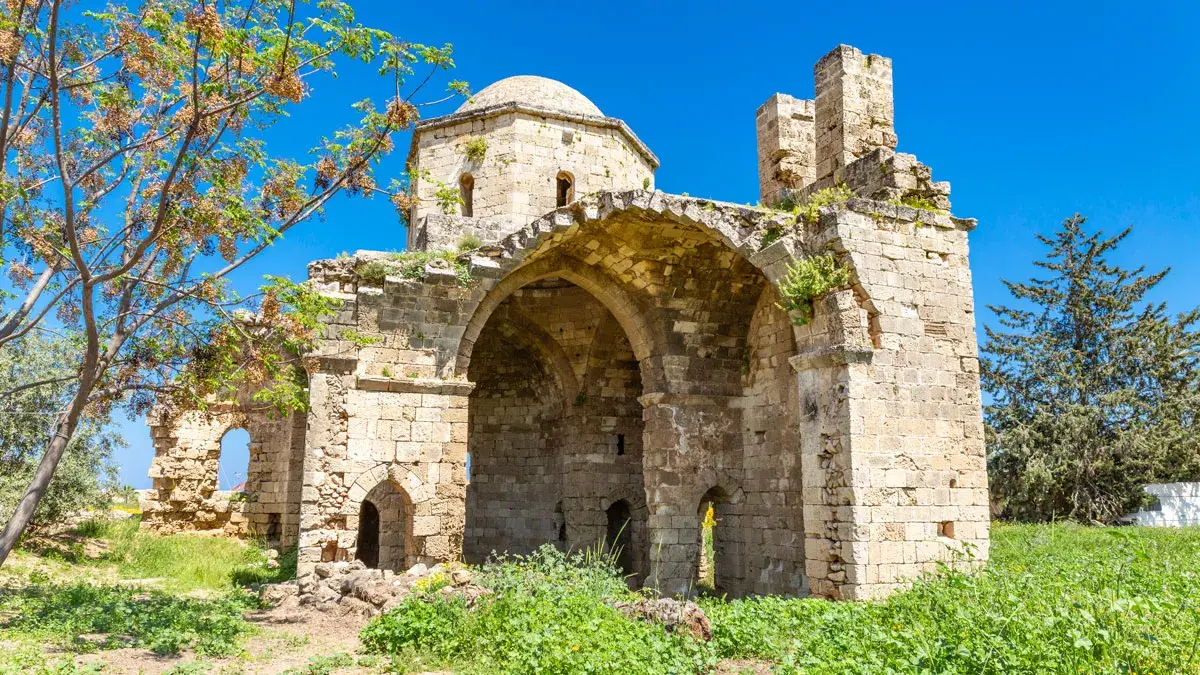
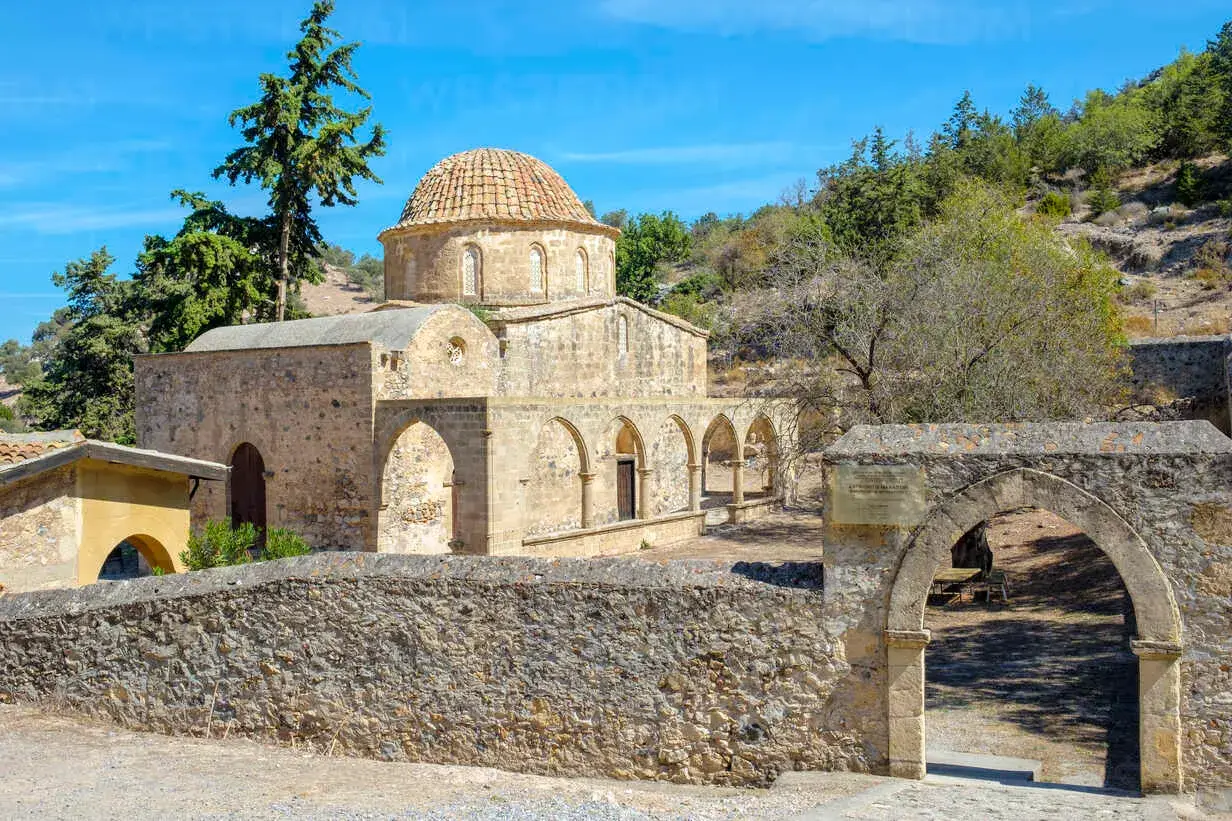
Antiphonitis Church Kyrenia / Northern Cyprus Named after the Greek word meaning "Christ Who Answers," the Antiphonitis Church is hidden within a steep valley 8 km east of Kyrenia, near the town of Esentepe. Even the road leading there is an experience in itself: narrow, winding, surrounded by pine and olive trees. Built in the late 12th century, this structure distinctly stands out from other Byzantine churches across the island. So, what makes it different? First and foremost, its architecture. The church was designed with a circular dome resting on eight columns, an arrangement quite unusual for the period. It is believed that local masters and artists were involved in its construction, a notion supported by the unique touches evident in the structure. The church was later expanded: in the 14th and 15th centuries , during the reign of the Lusignan dynasty, a barrel-vaulted narthex and portico were added to the structure. These additions represent one of the rare instances where the Byzantine essence met Western Christian architectural understanding. Very few structures bear the marks of different periods simultaneously; Antiphonitis is one of them. Wall Paintings and the Pantocrator Fresco Upon entering, the first thing to catch your eye will be the depictions of saints covering the walls. These scenes are believed to be inspired by biblical narratives; the facial expressions of the figures, color choices, and composition style bear the typical characteristics of Byzantine iconography. In the very center of the dome is the fresco of Christ Pantocrator ; this iconographic theme, meaning "Ruler of All," was placed in the dome in Byzantine churches so that the divine gaze would encompass the entire space. Unfortunately, some of these paintings have not survived intact to the present day. During Cyprus's political division after 1974, some frescoes were damaged, and a portion was torn from the walls by smugglers and sold on international markets. Although some of these pieces have been recovered after years of legal battles, the destruction they left behind is still visible. Where is Antiphonitis Church? The church is located in a valley, approximately 8 km south of the town of Esentepe, which is part of the Kyrenia district. Direction signs are available along the way; however, renting a car makes the visit much easier. Since public transport access is quite limited, it is recommended to go by private vehicle.
Пока нет отзывов
Girne Kalesi
Музей

Girne Kalesi

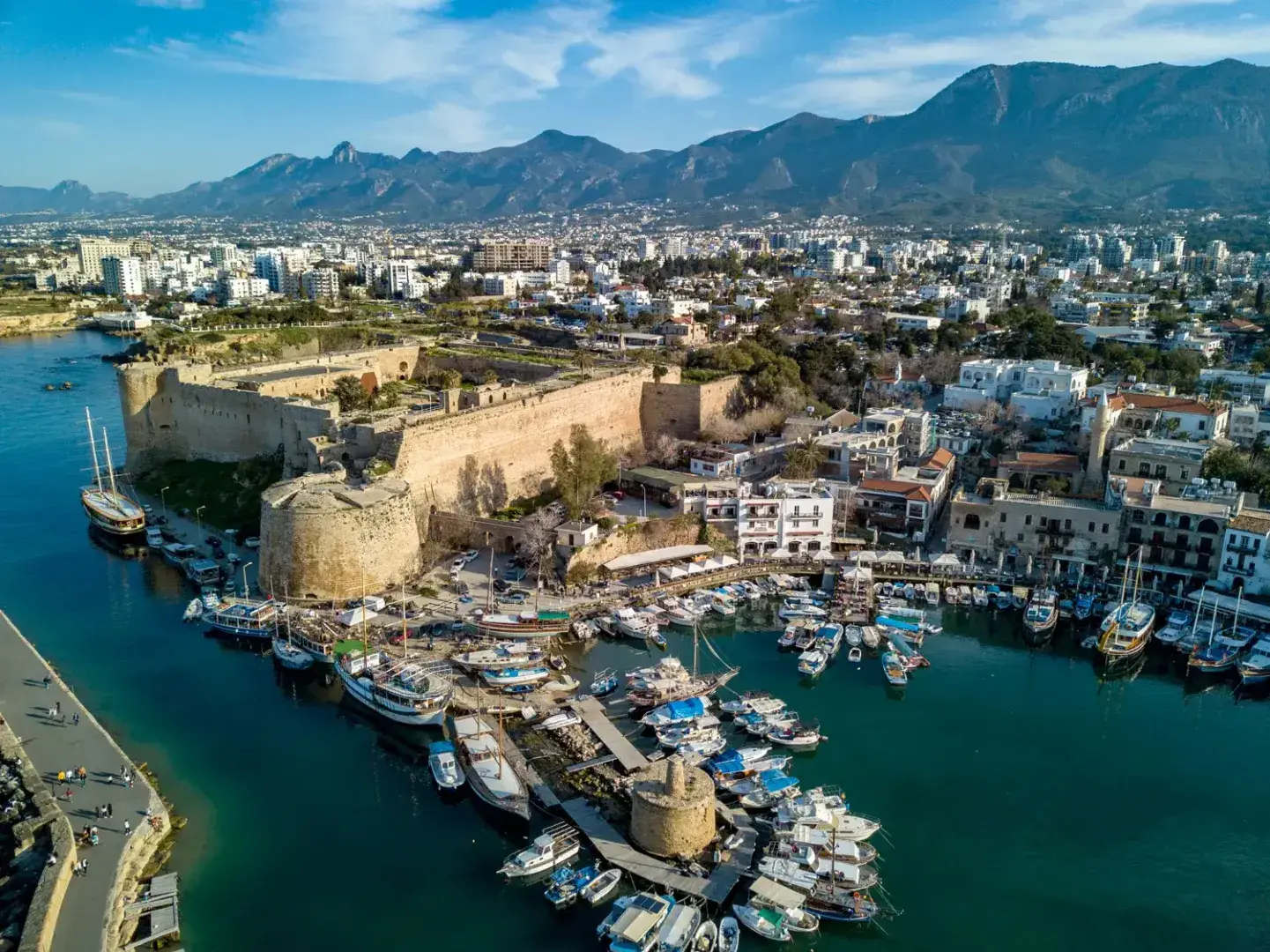
A Millennium of History in a Single Castle The **Byzantines**, who ruled Cyprus in the 7th century, built this castle to repel Arab raids from the Mediterranean. Today, this structure stands as **Kyrenia's most renowned symbol**, nestled right on the edge of the marina, intimately connected with the sea. The moment you step through its gates, the city's hustle and bustle instantly fade away. In the 1400s, the castle was encircled by a deep, water-filled moat. After the Genoese attacks in 1373, the castle changed hands multiple times; the structure we see today largely bears the hallmarks of the **Venetians**. From Venice to the Ottomans: A Fort's Shifting Fortunes The **Venetians**, who seized the castle in 1489, added new towers to the structure, hoping to withstand the cannon fire of the Ottoman navy from the sea. But did all these preparations work? No. Immediately after **Nicosia** surrendered to Ottoman forces in 1570, Kyrenia Castle also raised the white flag without a single shot being fired. This surrender demonstrates that the castle's fate was shaped not by defeat, but by a change in destiny. The walls remained, but the people living within them changed. Exploring Inside the Castle **Kyrenia Castle** isn't a perfect square, but it boasts a near-square plan with a tower at each of its four corners. Historical artifacts unearthed during excavations in and around Kyrenia are showcased in the castle's museum sections. As you stroll through the stone corridors, you might feel as though you're wandering through an encyclopedia, with each section narrating the story of a distinct historical period. One of the castle's most captivating corners is the **Byzantine Church**, dating back to the **1100s**. Additionally, various historical events are reenacted in the castle courtyard, transforming the site from a mere museum into a vibrant open-air stage. Where is Kyrenia Castle Located?

Пока нет отзывов
Bellapais Manastırı
Рекомендуемое
Музей

Bellapais Manastırı

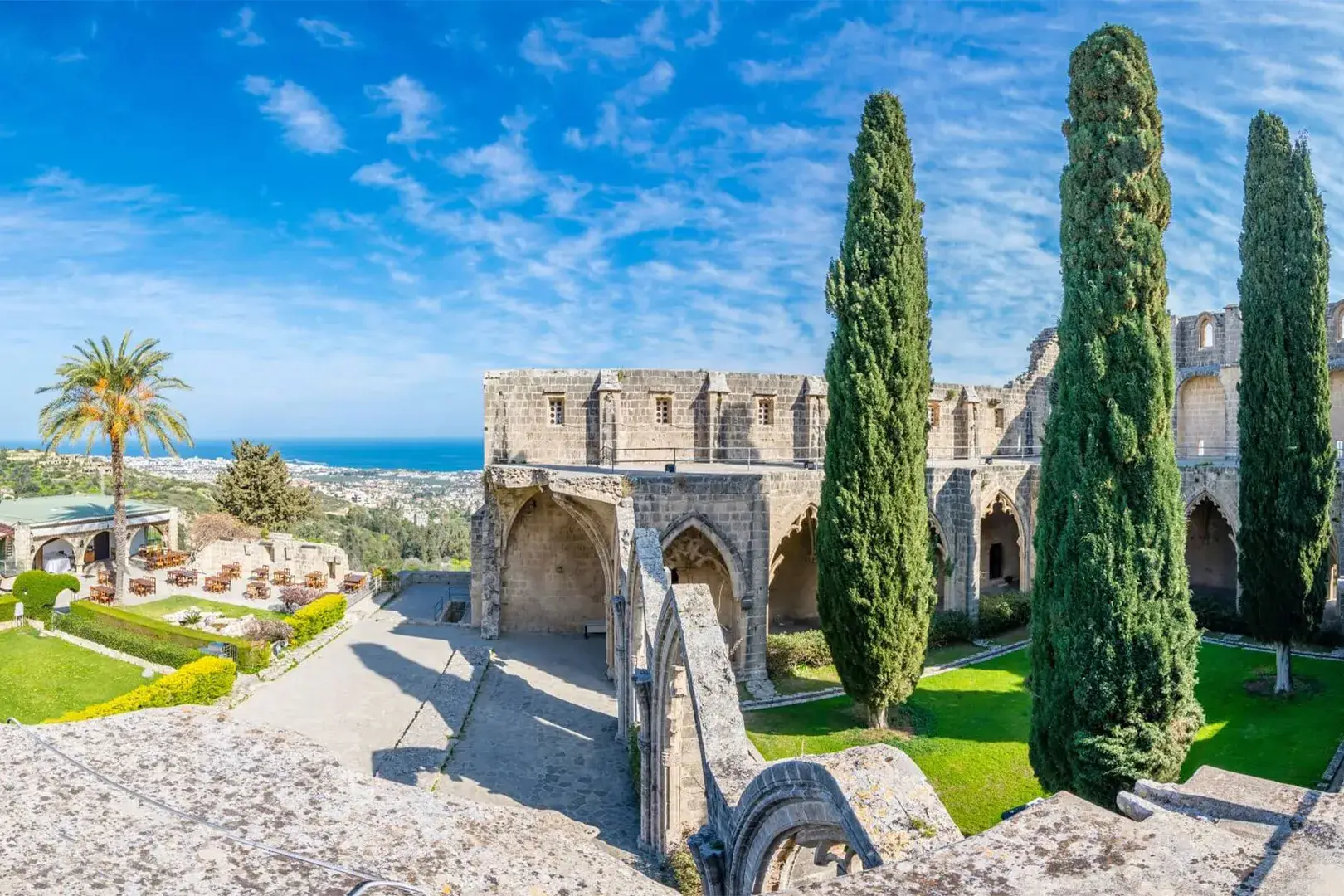
## Bellapais Abbey Beylerbeyi / Kyrenia - TRNC **Bellapais Abbey**, quietly nestled at the foot of the Five Finger Mountains, was constructed between 1158 and 1205. Today, this remarkable structure hosts various music festivals and classical music concerts, making it one of Northern Cyprus's most striking historical sites. Everyone who steps into the Abbey is swept back through past centuries, losing track of time. ## Layers of History: Gothic Architecture in the Near East One of the finest examples of Gothic architectural style in the Near East, **Bellapais Abbey**'s first inhabitants were Augustinian monks who migrated from Jerusalem. Between 1267 and 1284, King Hugh III of France added new sections to the structure, giving the Abbey its present-day appearance. The central courtyard and its surrounding cloisters were built by Hugh IV between 1324 and 1359. Following the Ottoman conquest of the island, the Abbey was transferred to the Cypriot Orthodox Church, and for many years, only the church section remained functional. ## Stepping Inside: What You'll Discover Your first step into **Bellapais Abbey** brings you to a gate and a spacious courtyard. The church in the corner of the courtyard has stood since the 13th century; despite bearing the weight of centuries, the structure remains remarkably robust. The frescoes on the Abbey's facade date back to the 15th century. Additionally, a large, rectangular refectory is located within the structure; this area is considered one of the most accomplished examples of **Gothic art**. The pulpit where the monk delivered sermons during meals still stands in place. Passing through the west gate of the courtyard, you can reach the kitchen, cellar, and lavatories on the lower floor. To the east of the central courtyard is the monks' common room and study. The column in the center of this room is believed to belong to a Byzantine church. On the upper floors of the Abbey, there are dormitories and areas for storing valuables. ## A Kyrenia View: Bellapais by Night **Bellapais Abbey** can be seen with the naked eye from many points in Kyrenia. As dusk falls, if you look towards the **Five Finger Mountains**, you'll immediately spot the Abbey sparkling brightly with its special illumination. This view forms one of the city's most recognizable silhouettes. Having come all the way to Cyprus, can one really afford to miss this magnificent structure? Appealing to a wide audience, from Gothic architecture enthusiasts and history buffs to classical music lovers and photography aficionados, Bellapais truly deserves a top spot on your itinerary. ### Where is Bellapais Abbey?

Пока нет отзывов
Salamis Antik Kenti
Музей

Salamis Antik Kenti

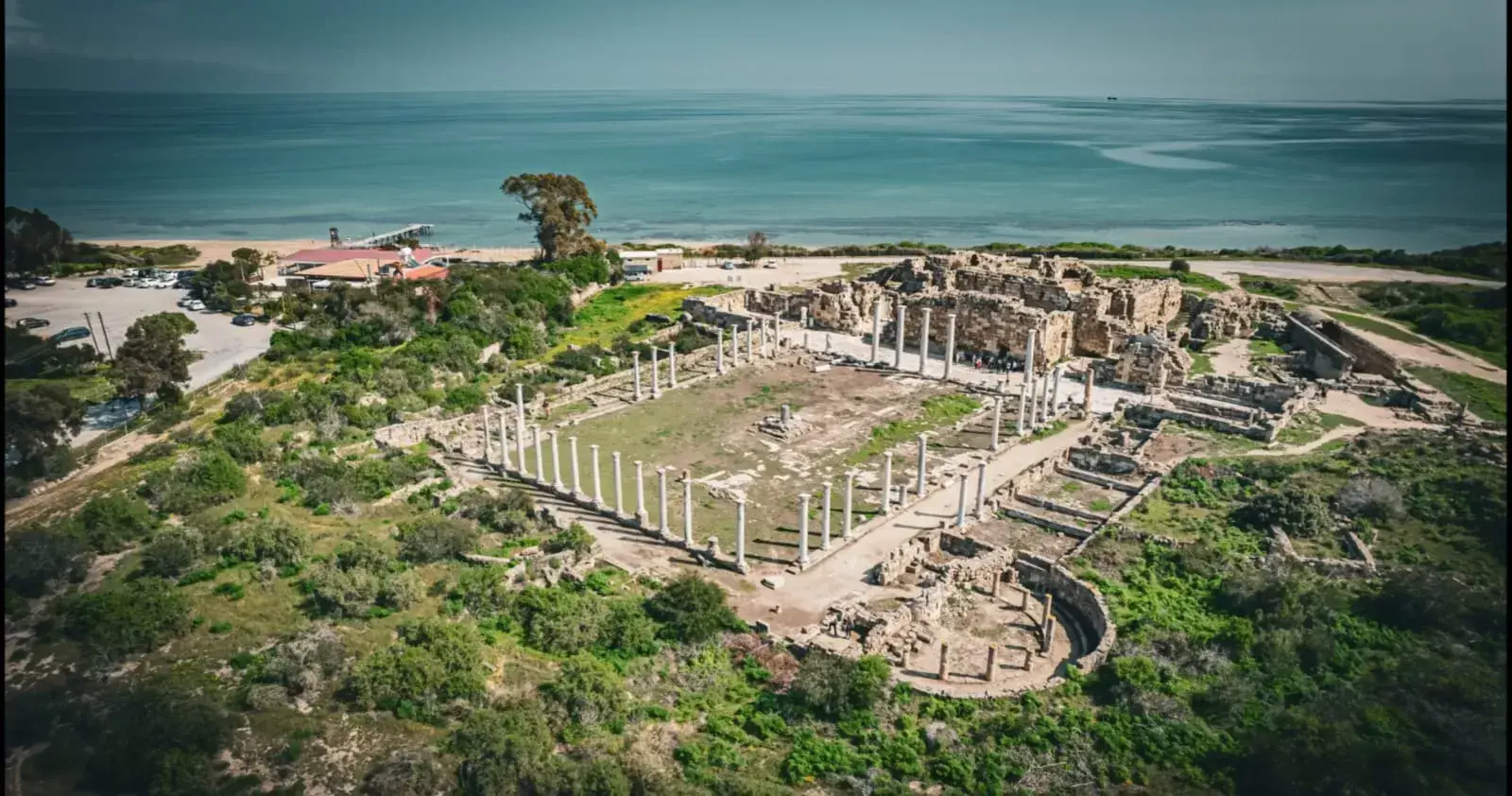
Salamis Ancient City Famagusta / TRNC The Ruins of Salamis , mentioned in the Bible , were founded in a basin 6 kilometers north of Famagusta, near the Kanlıdere river which originates from the Troodos Mountains . Stepping onto this site today, you can feel thousands of years of history piled layer upon layer. Teucer, the founder of Salamis Ancient City , is, according to legend, the son of King Telamon of Salamis island. He was exiled from his homeland by his father for failing to prevent his brother's suicide during the Trojan War. Remains dating back to the 11th century BC clearly indicate that the city was founded during this period. It is understood that the Phoenicians were a dominant power on the island during that era. From 708 BC, the entire island, including the city of Salamis, fell under Assyrian rule. After Egyptian dominance ended in 699 BC, the city remained independent for a short time, but when Persian rule began in 525 BC, Cyprus once again submitted to foreign governance. During the time of Alexander the Great , who embarked on his Eastern campaign, Salamis was liberated from Persian subjugation; however, this freedom was not permanent. In 294 BC, Ptolemy seized control of all Cyprus , establishing his dynasty in this city. Salamis stood out as the island's capital for many years. But with the end of the Ptolemaic era, its importance began to wane, and the role of capital was transferred to 'Paphos' until the 4th century AD. The great earthquakes of 76-77 AD rendered the city uninhabitable. The Jewish revolts that erupted in 116 AD almost completely dismantled Salamis. Emperor Constantinus II of that period reorganized the ruins, shrinking the city and renaming it Constantia . Between 368-403 AD, the city once again became the capital of Cyprus; however, this life, lasting until 647 AD, came to an end with Arab raids and earthquakes , and the city was completely abandoned. Salamis Walls, Harbor, and Gymnasium The Salamis Walls and Harbor were built in the 7th century to protect the northern and southwestern areas of the city from Arab raids. The Salamis Gymnasium , believed to have been constructed in the 2nd century, is a magnificent structure located in the northern part of the city. Marble columns from the Roman period still stand today, reminding visitors of the splendor of that era. Salamis Amphitheater The exact construction date of this amphitheater, built during the Augustan period in the southern part of the city, is unknown; however, records show that it underwent major restoration in the 1st and 2nd centuries . Destroyed by earthquakes in 332 AD, its stones were later removed and used in the construction of baths. The Salamis Amphitheater consists of three main parts: the stage building, the orchestra, and the seating area. Its acoustics, still remarkably good, offer a striking example of the ancient world's engineering prowess. Other Important Structures Roman Villa: A two-story structure built by the Romans. Byzantine Cistern: This funnel-shaped structure contains 6th-century frescoes; the building comprises three sections and is located southeast of the Roman Villa. Nicocreon Monument: Built in honor of Nicocreon, the last ruler of Salamis. Is it possible to see this entire vast area in a single day? There's so much to explore that most visitors only manage to see a portion of the site. Discovery and Excavation Process Discovered hidden beneath tree roots and a thick layer of soil in the late 19th century, Salamis was largely brought to light between 1952 and 1974. Excavation work, halted in 1974, resumed in 1998 under the leadership of Ankara University, thus continuing the site's story from where it left off. Where is Salamis Ancient City? Photos:

Пока нет отзывов
Barnabas Kilisesi
Музей

Barnabas Kilisesi

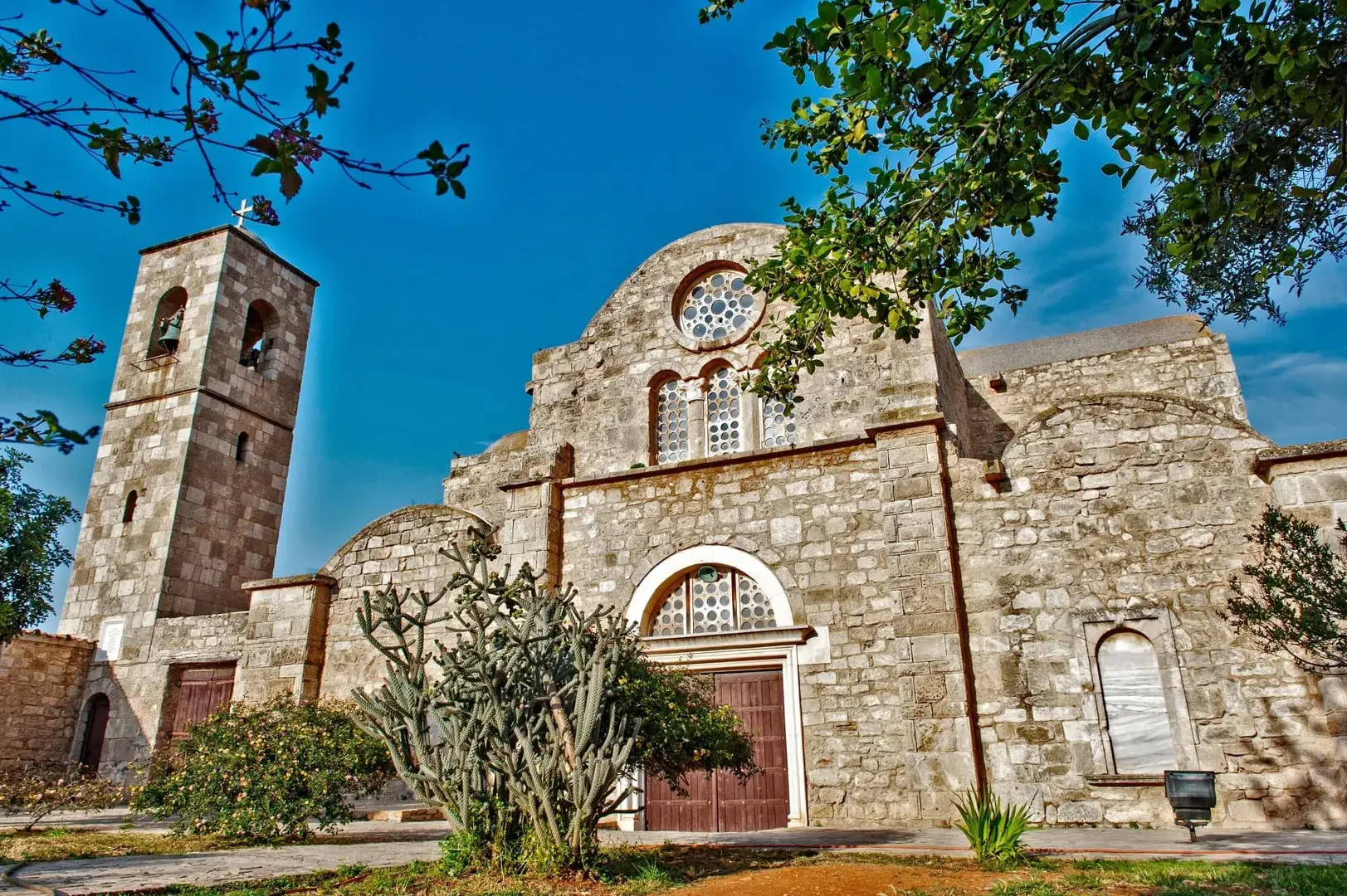
St. Barnabas Church and Monastery Famagusta / Northern Cyprus Let's begin with a man's story: Barnabas , the son of a Jewish family, was born in ancient Salamis. After receiving his education in Jerusalem, he returned to his homeland and, in 45 AD, began spreading Christianity in Cyprus alongside St. Paul . This effort did not last long; he faced strong reactions from his community and the Jews, and was eventually killed. A group intending to throw his body into the sea the next day first hid it in a swamp. A few of Barnabas's disciples witnessed this event from afar. Under the cover of night, they went to the swamp and retrieved the body. They buried him in an underground cave west of Salamis and placed a copy of the Gospel, written by Matthew himself, on his chest, which Barnabas had carried with him. It was almost a final act of reverence. Learning of the incident, the Jews reacted with anger; they pursued the disciples as far as Nicosia but lost their trail. The disciples could no longer remain in Cyprus; they fled to Egypt via Karavostasi Port . Only a tomb remained behind; its location unknown, silently waiting. 432 years passed. One night, Bishop Anthemius saw that cave, the body, and its exact location in a dream. He woke up in the morning, went to the cave, and had the tomb opened. The Gospel resting on top confirmed everything: this was Barnabas. The Bishop took the bones and the Gospel to Istanbul, to Emperor Zeno , who reigned at the time. In return for this offering, Zeno granted autonomy to the Cypriot Church ; this was a decision considered a turning point in the island's religious history. Emperor Zeno did not stop there. He made a donation and ordered a monastery to be built at the location where the body was found. Completed in 477 AD , this structure continues to be known today as 'St. Barnabas Monastery'. So, what do you see when you visit today? The monastery now serves as a museum. Various archaeological artifacts, spanning from the Neolithic period to the Roman era , are exhibited inside. The icon collection is also open to visitors in a separate section. In other words, you have before you both a pilgrimage site and a repository of history in a single location. It's hardly possible to say you've truly experienced Famagusta without visiting a place with so many layers. Where is St. Barnabas Monastery?

Пока нет отзывов
MaviKöşk Lefkoşa
Рекомендуемое
Музей

MaviKöşk Lefkoşa

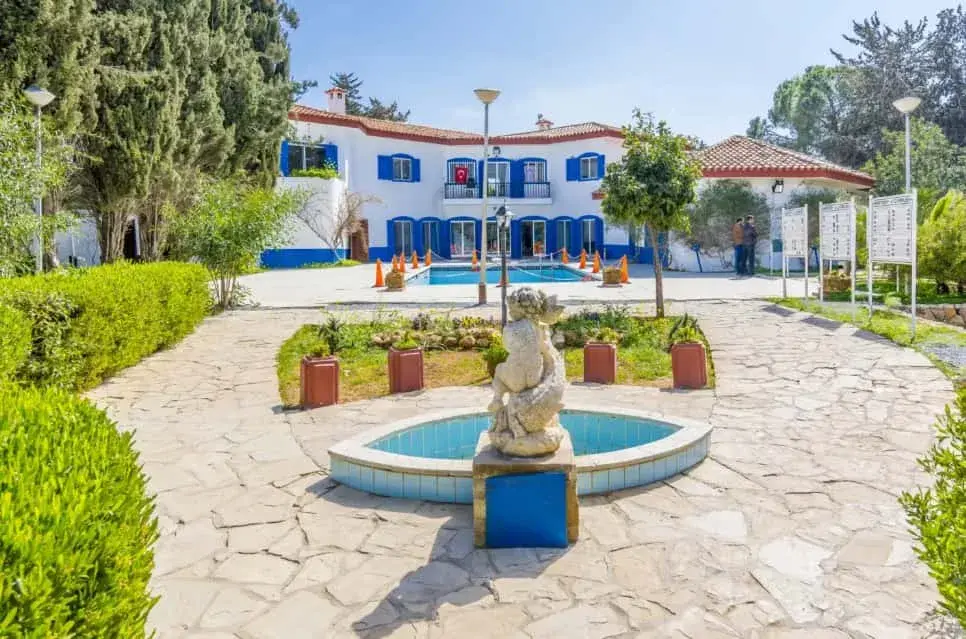
Northern Cyprus's Most Enigmatic Spot: The Blue Mansion It's strange enough for an attorney to smuggle weapons, but having his architect murdered to safeguard the mansion's secrets is what truly sends shivers down your spine. When Paulo Paolides, a Greek man of Italian descent, built this two-story, sixteen-room mansion in the mountainous terrain of Northern Cyprus in 1957, he had only one thing in mind: invisibility. As one of the Middle East's biggest arms smugglers, he needed a location that commanded everything, yet remained unnoticed by anyone. This decision by Paolides, who is even rumored to have killed the architect after construction was complete, remains one of the most striking details that perpetuates the mansion's legend to this day. Where and What Kind of Place Is It? Hidden near Çamlıbel village, on the Kyrenia – Güzelyurt mountain road, the Blue Mansion is a surprisingly modern structure for the technological capabilities of its era. Paolides designed it not as a living space, but as an arms distribution base. This functionality was prioritized from the choice of location to every detail of the building's design. Each of the rooms was painted a different color, and each color held a distinct meaning. The red room hosted mafia meetings. The blue room was reserved for guests, and the yellow room for their children. The tables in the rooms were also painted the same color; everyone already knew where they were supposed to sit. Pricey Art, Secret Vaults, and a French Painter Paolides, who had a deep interest in art, furnished the mansion with expensive paintings, trinkets, liquor cabinets, and handcrafted Persian carpets. Some of the artworks he purchased himself, while others were received as gifts. The most striking piece in this collection is the painting of the Virgin Mary, donated by a famous French painter in 1971. Its interesting feature is that no matter what angle you view it from, the Virgin Mary's hands, eyes, and knees appear to be turned towards you. As you move into the bedroom, the secrets multiply. One of the two windows shows the sunrise, the other the sunset. The curtains are soundproof. A hidden hatch right behind the bed opens to a secret vault. The nine-dimensional mirror specially imported from the Far East is another intriguing mystery. Moreover, the mansion even has a room designed to be earthquake-resistant, capable of separating from the main structure during an earthquake; devising such a construction at that time was considered a true engineering marvel. Legendary Details of the Mansion: From Sophia Loren to Escape Tunnels The mansion featured a fountain with wine flowing 24/7, a color-changing liquor cabinet made of chameleon skin, an earthquake warning device, a small pool reserved for milk baths, and emergency escape tunnels. It's even said that Sophia Loren, one of the famous actresses of the era, visited here to take milk baths. So, how did Paolides leave this mansion? During the 1974 Cyprus Peace Operation, he managed to escape to Italy using the tunnels beneath the structure. Despite being far from the country, he continued to send money from Italy for the mansion's maintenance. He ultimately lost his life in 1986 during a mafia meeting he attended. Visiting Information: Hours and Location Opening Hours The Blue Mansion is closed on Mondays. On other days, it welcomes visitors between 09:00 and 17:00. Keep this in mind when planning your visit; especially if you intend to set off at the start of the week, it's best to postpone until Tuesday. Location Reaching the Blue Mansion, located near Çamlıbel village on the Kyrenia – Güzelyurt mountain road, by car is the most practical option. The scenery along the way is an experience in itself; you'll get to explore the mountainous interior of Northern Cyprus before even arriving at the mansion.

Пока нет отзывов
St. Nicholas Kilisesi
Музей

St. Nicholas Kilisesi

St. Nicholas Church (Bedesten) St. Nicholas Church As you walk within Nicosia's historic city walls, this structure suddenly appears before you, stopping you in your tracks at first glance. Built in the 12th century as a **Byzantine church**, St. Nicholas Church has virtually become the embodiment of Cypriot history with each architectural layer added upon it. Which period, do you wonder, left the most significant mark on this structure? During the **Lusignan** period, Gothic additions significantly expanded the building. Then came **Venetian** rule; the church was, this time, transferred to the **Greek Orthodox Metropolis**. During the **Ottoman** period, its function changed radically: the structure began to be used as a covered market and a warehouse. Each change of hands added a new meaning to these walls. In 1573, its name was officially changed to **Bedesten**. Today, the **coats of arms of medieval noble families** above the door are among the most striking details bearing the traces of that era. In this structure, which consists of two churches situated side-by-side, **tombstones** from centuries ago still stand in place. With the simple yet powerful language of Gothic architecture, these stones are like a silent window to the past. Ayanikola, Bedesten, St. Nicholas, and Aziz Nikolas: One Structure, Many Names This church has been known by various names given to it by different communities in different periods: **Ayanikola Church**, **Bedesten**, **St. Nicholas Church**, and **Aziz Nikolas Church**. Each name, in fact, summarizes the story of an era. The multi-layered identity of this structure reflects the complex yet equally rich historical fabric of Cyprus. Where is St. Nicholas Church? The structure is located in the historic walled old city center of Nicosia, the capital of Northern Cyprus. It is within walking distance of other historical sites such as the Bazaar and Selimiye Mosque; to reach it, simply follow the historic market streets without needing any vehicle.

Пока нет отзывов
Othello Kalesi Magusa
Музей

Othello Kalesi Magusa

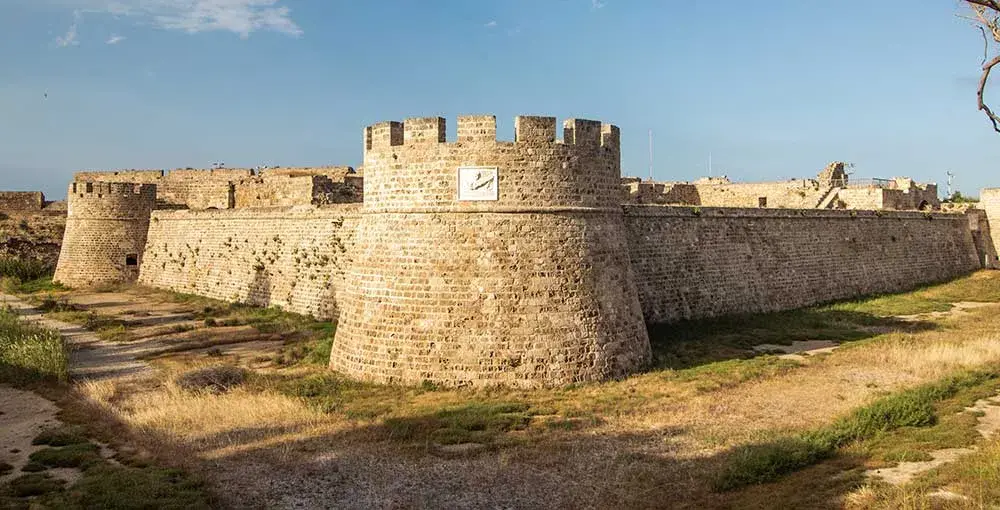
Othello Castle Famagusta, Northern Cyprus Othello Castle — or Othello Tower , as it's also known — guards one of the main entrances to Famagusta . It was built by the Lusignans in the 14th century with a clear purpose: to protect the harbor and the city from potential sea attacks. Considering the architecture of that era, this structure was a significant move, both strategically and from an engineering perspective. The deep pits and moats surrounding the castle earned it the nickname "impenetrable fortress" for centuries. In 1492, the Venetians took over the structure and transformed it into an artillery bastion . The language of the walls changed; cannons, not arrows, now spoke. If you look at the marble relief directly above the castle entrance, you'll see the Venetian coat of arms . St. Mark's winged lion and the name of Captain Nicolo Foscarini , who gave the castle its final form, are carved into this stone. This is impressive enough, but consider this legend: it's said that Leonardo da Vinci himself visited Cyprus in 1481 and provided tactics to the Venetians for the city's defense. While not a proven fact, it's not entirely dismissed either. Did Shakespeare Refer to This Castle? The castle's current name became established during the British colonial period. A significant part of Shakespeare's famous tragedy takes place in a port city in Cyprus. The play's protagonist, Othello, is described as a Moor. Researchers believe that Shakespeare mistook the surname of the island's governor at the time, Christophoro Moro , for 'Moor,' leading him to assume Othello was Moroccan. A misunderstanding might have given this castle its name five centuries later. What is the Castle Used For Today? Despite its historical military origins, Othello Castle has now been transformed into a cultural venue. Its grand hall hosts theatrical performances, concerts, and various events. Witnessing a performance amidst these centuries-old stone walls offers a truly unique experience. Where is Othello Castle Located? The castle is located in the heart of Famagusta, within walking distance of the city's historic walled harbor. You can reach its gates after a short stroll along the Venetian walls. What's more, this entire area, including the nearby Lala Mustafa Pasha Mosque and the ruins of St. Nicholas Cathedral, easily fits into a single historical tour route.

Пока нет отзывов
Namık Kemal Zindanı
Музей

Namık Kemal Zindanı

Namık Kemal Dungeon Famagusta / TRNC Imagine a story that imprisoned a poet, yet could not silence him. The **Namık Kemal Dungeon** and Museum is precisely the setting for such a tale. Located in the historic walled streets of **Famagusta**, this structure hosts one of the most striking exile stories of the Ottoman era. The famous poet **Namık Kemal** was considered a nuisance by the administration in **1873** due to the tremendous impact of his play '**Vatan Yahut Silistre**' (Fatherland or Silistre), staged at the Gedik Pasha Theatre in Istanbul, and his writings in the newspaper İbret, leading to his exile to **Cyprus**. This exile lasted for a full **38 months**, during which Kemal struggled with harsh conditions and illnesses. Despite this, his pen never stopped, and he wrote a significant portion of his works in this dark room. His exile ended on **June 3, 1876**, with an amnesty issued by **Sultan Murad V**, and Namık Kemal returned to Istanbul from Cyprus. So, what makes this dungeon so special today? It's not just its historical value; it's also the heavy stone walls that evoke a sense of him breathing within them, and the traces the poet left behind. The dungeon was opened to visitors in **1993** by the Department of Antiquities and Museums. Located adjacent to the **Venetian Palace** , the room on the upper floor of the structure houses a small yet rich collection of Namık Kemal's personal belongings and period documents. Don't come here with grand expectations; the dungeon is not a large museum. However, it's not easy to find a place that brings together so few artifacts with such a powerful atmosphere. Where is Namık Kemal Dungeon? The museum is located in the historic walled old city center of Famagusta, right next to the Venetian Palace. Once you enter the city walls, you can easily find it by following the narrow stone streets.

Пока нет отзывов
Mevlevi Tekke Müzesi
Музей

Mevlevi Tekke Müzesi

### Mevlevi Tekke Museum **Nicosia, Northern Cyprus** Built in 1593 after the conquest of Cyprus, this dervish lodge was established by followers of Mevlana's teachings and philosophy of life. Legend has it that Arap Ahmet Pasha, one of the island's conquerors, was behind its establishment. Thus, this structure is no ordinary historical building; it is an expression of a philosophy and a tradition, brought to life in stone and adobe. The Mevlevi Tekke is located in Nicosia, just past and to the left of the Kyrenia Gate. During the Ottoman period, it served as a stopover for pilgrims traveling to Mecca, eventually becoming one of the island's most significant religious and cultural structures. The Mevlevis it trained and the services it provided transformed the tekke from merely a place of worship into a center for education and culture. However, with the closure of all tekkes in Turkey in 1925, activities here also ceased. In 1956, a portion of the building was opened for use as a 'Turkish Children's Home'. The remaining rooms were made available to visitors as a museum in 1963. Revitalized with the Şeb-i Arus ceremony in 2002, the structure reopened its doors, this time as the Mevlevi Museum. Today, it exhibits Mevlevi attire, period musical instruments, and ethnographic objects. Time truly flows differently in a place so rich with traces of the past, doesn't it? ### Visiting Hours If you plan to visit the museum, we recommend arranging your schedule according to the weekday program. The museum is open on Monday, Tuesday, Wednesday, and Friday from **08:00 – 15:30**. On Thursdays, it welcomes visitors in two separate blocks: **08:00 – 13:00** and then **14:00 – 17:00**. However, the doors are closed on Saturdays and Sundays; therefore, those planning a weekend visit should check the opening times beforehand. ### Where is the Mevlevi Tekke Museum?

Пока нет отзывов
Venedik Sarayı Mağusa
Музей

Venedik Sarayı Mağusa

## Venetian Palace and Ruins **Famagusta / Northern Cyprus** Right in the heart of Famagusta, just beside Namık Kemal Square, stands a structure that has defied centuries: the Venetian Palace. Built by the Lusignan dynasty in the 13th century, this palace served as home to Cyprus's Lusignan kings until 1369. For many years, it was the island's political and administrative center; every stone a witness to an era. Severely damaged by an earthquake, the structure was thoroughly repaired by the Venetians in 1552, restoring its function as a Royal Palace. When the Venetians established dominance on the island, this palace also became their prestigious seat. So, what remains today? The part that survives to this day is the 'L'-shaped western facade of the palace. Additionally, four granite columns, moved here from the ancient city of Salamis, still stand in their original positions. The coat of arms of Giovanni Renier, the captain of that era, is carved into the central arch of these columns. Though it may seem like a minor detail, that coat of arms clearly tells the story of who ruled here. ### Where is the Venetian Palace in Cyprus? The palace ruins are located within the walls of Famagusta, a short walk from Namık Kemal Square. It's not hard to stumble upon this structure while wandering through the old city, encircled by historic walls; it's just a few minutes' walk from the Lala Mustafa Pasha Mosque.

Пока нет отзывов
Girne Kapısı Lefkoşa
Музей

Girne Kapısı Lefkoşa

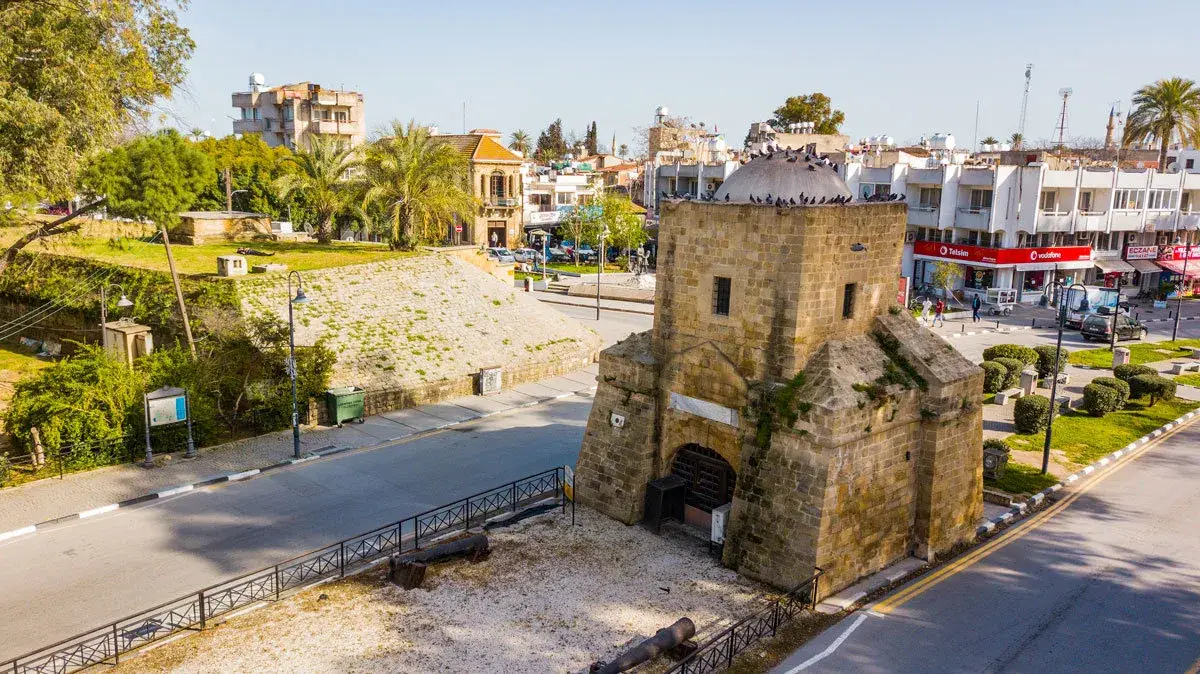
Kyrenia Gate — Nicosia / Northern Cyprus Imagine entering Nicosia's walled old city: a single gate before you, with over 450 years of history behind it. Built by the Venetians in 1567, the Kyrenia Gate is one of the rare structures to have survived as one of the city's three original gates. Initially named after a Venetian soldier, it was renamed Kyrenia Gate during the Ottoman period due to its location on the Nicosia-Kyrenia road. During the same era, it was also occasionally referred to as the Edirne Gate . Integrated with the city walls on its right and left, the gate was opened to traffic starting in 1931 with the demolition of parts of the walls, transforming it from a defensive structure into a passage integrated into the city's daily flow. During the Ottoman period, things were different: the gates were kept open during the day and locked at night. This practice continued uninterrupted until 1879. Today, a statue of Mustafa Kemal Atatürk stands directly in front of the gate. Seeing this clarifies the gate's significance once more: this structure is no ordinary entrance, but a threshold carrying the city's memory. Horoz Ali , the last gatekeeper of Kyrenia Gate, passed away at the age of 121 right in front of this very gate. The rooms within the gate now serve as the Nicosia Information Office , where photographs of Horoz Ali taken in front of the gate are exhibited. There is no entrance fee to visit; the gate can be viewed from the outside for most of the day. Visiting during the Information Office's operating hours offers the chance to see Horoz Ali's photographs up close. For those wishing to explore Nicosia's city walls, Kyrenia Gate serves as a natural starting point. Where is Kyrenia Gate? It is located in Nicosia's walled old city center. Historically, it received its name because it was situated at the starting point of the road to Kyrenia. The city center is accessible on foot, and parking options are available nearby.

Пока нет отзывов
Lala Mustafa Paşa Camii
Рекомендуемое
Музей

Lala Mustafa Paşa Camii

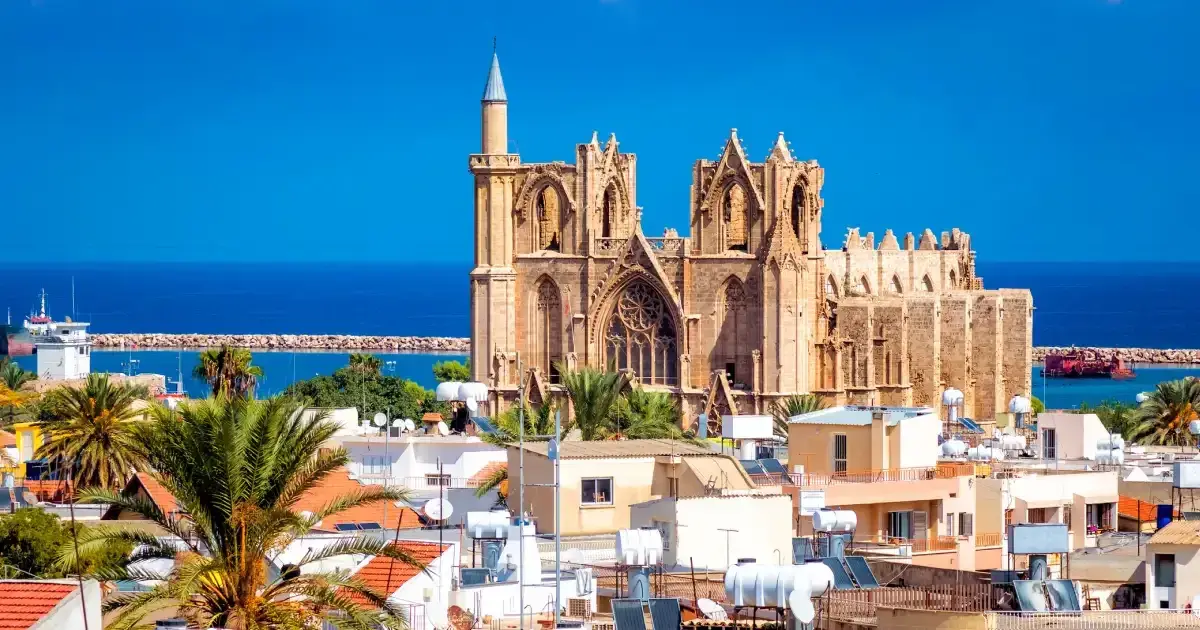
Lala Mustafa Pasha Mosque Famagusta / TRNC Is it a church, or a mosque? When you first gaze upon this structure standing in the heart of Famagusta, it might be difficult to decide. Built between **1298 and 1312**, St. Nicolas Cathedral is known today as the **Lala Mustafa Pasha Mosque** and perhaps carries the most layered story in Cyprus's history. The Lusignans, who ruled the island at the time, had the structure built. Considered one of the most successful Gothic examples in the **Mediterranean** region, the cathedral hosted the crowning ceremonies for the Kings of Jerusalem before becoming a mosque. Its pointed arches and soaring tower, bearing the hallmarks of French Gothic architecture, clearly showcase the Western influence in Cyprus during that period. The structure, which served Catholic worship, was transformed with the Ottoman conquest of the island in **1571**: a mihrab and minbar were added, and its bell tower was converted into a minaret. The building was named after **Lala Mustafa Pasha**, the commander who led the conquest of Cyprus, thus becoming one of the two largest mosques in **Northern Cyprus**. As you step into the mosque's entrance, the first thing that greets you is the **Venetian** coat of arms on the door. It stands there as a silent testament to the island changing hands. In the outer courtyard, you witness a completely different piece of history: the centuries-old sycamore fig tree (Ficus sycomorus). As of 2017, this tree, with an estimated age of **705 years**, holds the title of the island's oldest tree. Legend has it that this tree, planted when the cathedral's construction began in **1298**, has seven branches, and its trunk circumference has been measured at 2.70 meters. Its roots are said to extend as far as East Africa, and its fruit is known as 'Pharaoh's fruit'. The structure was opened for worship on **Friday, August 17, 1571**, with a sermon delivered by Lala Mustafa Pasha in the name of **Sultan Selim II**. Throughout history, it has also been known by different names: '**Little Hagia Sophia**,' '**Famagusta Mosque**,' and '**Great Mosque**.' Each name reflects a different layer, a different period of this structure. Today, while the mosque actively functions as a place of worship during prayer times, it is open to visitors for much of the day. A tour of Northern Cyprus would not be complete without seeing this structure, nestled within the historic fabric of the city, right inside the walls of Famagusta. Where is Lala Mustafa Pasha Mosque?

Пока нет отзывов
Saint Hilarion Kalesi
Музей

Saint Hilarion Kalesi

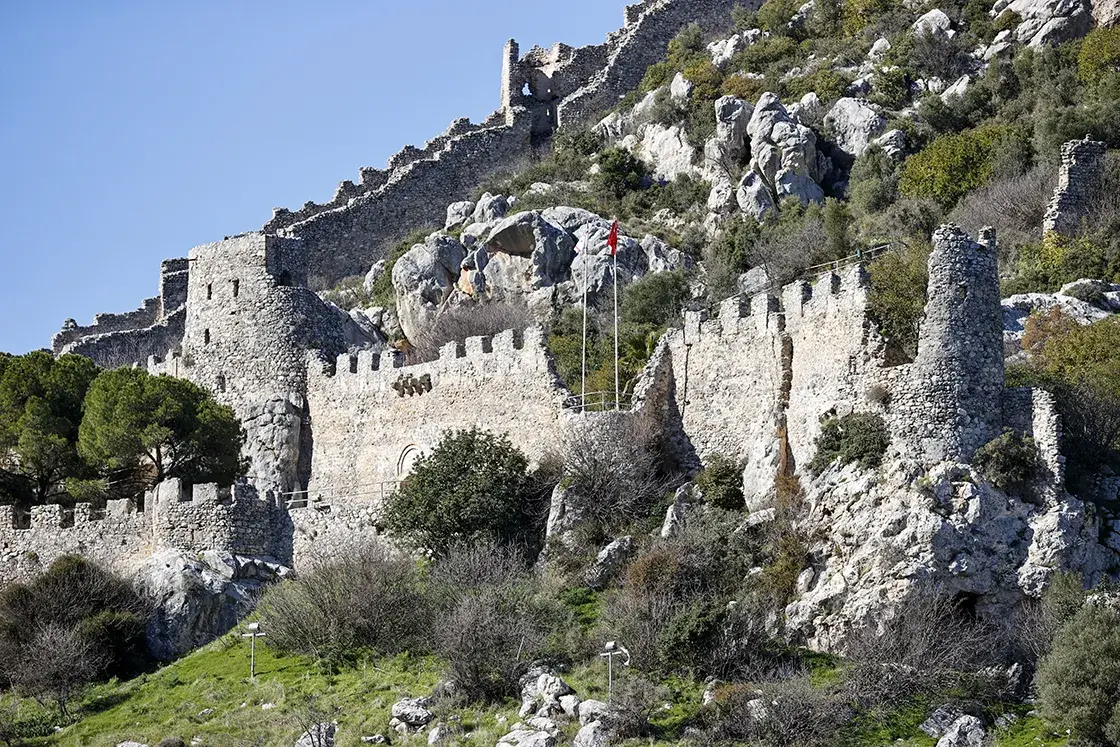
## Saint Hilarion Castle Kyrenia / TRNC Believed to have been built around 1191, **Saint Hilarion Castle** is perched in three distinct sections on the steep slopes of the **Five Finger Mountains**, 700 meters above sea level. Behind the castle's construction here lay a practical purpose: to foresee potential Arab attacks from the Mediterranean coast and warn the populace. This position, close to the mountain's summit, was an excellent vantage point for its time. The castle takes its name from a monk who fled his homeland after the **Arab conquest of Jerusalem** and sought refuge in Cyprus, spending the rest of his life in these mountains. The story of that monk is etched into history as firmly as the castle's stones. ## But How Was This Castle Truly Built Here? Even today, reaching this point requires navigating winding roads by car and then a climb on foot. When you consider how heavy stones, construction materials, and an entire garrison were transported here centuries ago, it makes you pause and marvel. Erecting such a structure on a mountain slope without modern means clearly demonstrates the advanced engineering knowledge of the era. ## A Three-Tiered History: Sections of the Castle The castle consists of three interconnected sections. The main gate entrance was reinforced during the **Byzantine period in the 11th century**. The lowest section was reserved for soldiers and horses, functioning much like the castle's logistical hub. Moving up to the middle section, the scene changes: here were the church, kitchen, water cistern, and the king's palace. Bearing all the traces of daily life, this level reminds us that the castle was not just a defensive structure but also a living settlement. The **Lusignan** gate at the entrance to the upper castle bears the mark of a different era. From the Queen's Window on the second level, the panoramic view of Cyprus makes you forget to question whether the climb was worth it. At the very top, **Prince John's Tower** completes the silhouette. ### 1489 and Beyond: The Castle's Demise **Saint Hilarion Castle** was evacuated and abandoned in 1489 when the Venetians conquered Cyprus. The Venetians shifted their strategic objectives to different locations; and since then, the castle has transformed into an open-air museum where visitors can wander. ## Where is Saint Hilarion Castle? The castle is located approximately 8 kilometers southwest of Kyrenia, in the Five Finger Mountains. Its proximity to Kyrenia city center makes it easily accessible from the city; however, the final few hundred meters of climbing at the castle definitely warrants comfortable shoes.

Пока нет отзывов
Büyük Han Lefkoşa
Рекомендуемое
Музей

Büyük Han Lefkoşa

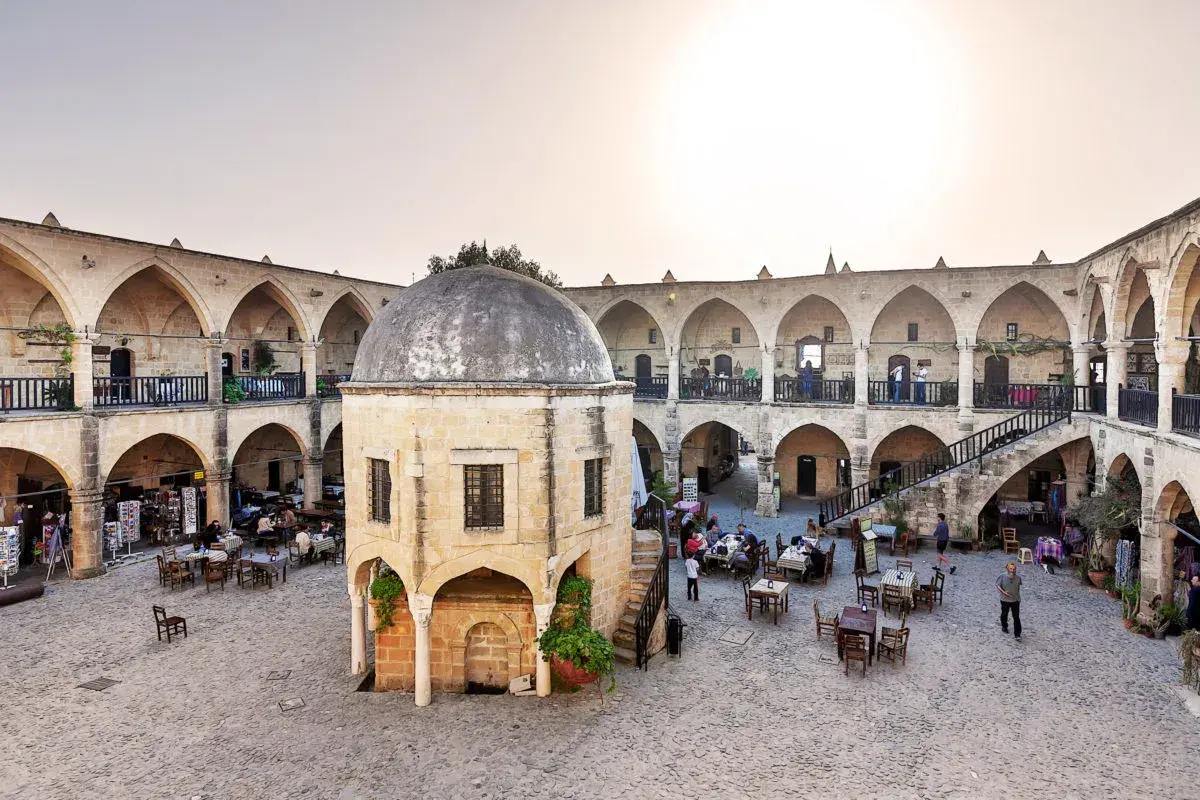
Cyprus's Largest Inn: Where History is Etched in Stone Imagine that massive stone structure suddenly appearing before you as you walk through the streets of Nicosia. Built in 1572 by Beylerbeyi **Muzaffer Pasha**, Cyprus's first Ottoman governor, the **Büyük Han** (Great Inn) was erected using taxes collected from the island and stones brought from various regions. This structure was, quite literally, shaped by the labor of the people. Holding the title of North Cyprus's largest inn, the building reflects the caravanserai tradition of the Ottoman era. However, it has a distinguishing feature compared to classic caravanserais: two separate entrances instead of a single main gate. This architectural choice is a clue in itself; the inn was designed not merely as a place of lodging, but as a vibrant hub for trade and social life. The Architecture and Floors of the Structure The rectangular-plan building consists of two floors. The rooms on the upper floor are bedrooms equipped with octagonal-chimneyed fireplaces — a place for merchants from distant lands to rest and recuperate. The ground-floor rooms, on the other hand, served as shops, offices, or warehouses, depending on the period; meaning each floor had its own distinct life. A spacious courtyard is located right in the center of the building. Within this courtyard, there's a small mosque (mescid) and a fountain for ablution. The warm, inward-facing courtyard tradition of Mediterranean architecture is evident here. Sitting in this courtyard on a hot summer afternoon gives one the feeling of listening to the silence that stretches back several centuries. The Unusual Story of an Inn Can a structure built as an inn later transform into a prison? The history of Büyük Han indeed shows just that. Around 1918, the building was used as **Cyprus's main prison**. Moreover, during different periods, it also served as a shelter for impoverished families. Within its stones lie tales of trade, imprisonment, and refuge. Restored in later years, the structure today houses art galleries, small workshops, and boutique shops. Enjoying a coffee under the arcades surrounding the courtyard or browsing local handicrafts has become an indispensable stop for many visitors to Nicosia. Where is Büyük Han? **Address:** Asmaaltı Sk, Nicosia 99010 TRNC. The building is located within Nicosia's historic walled city, close to many historical sites within walking distance. Being in the heart of the city, it's very easy to reach.

Пока нет отзывов
Derviş Paşa Konağı
Музей

Derviş Paşa Konağı

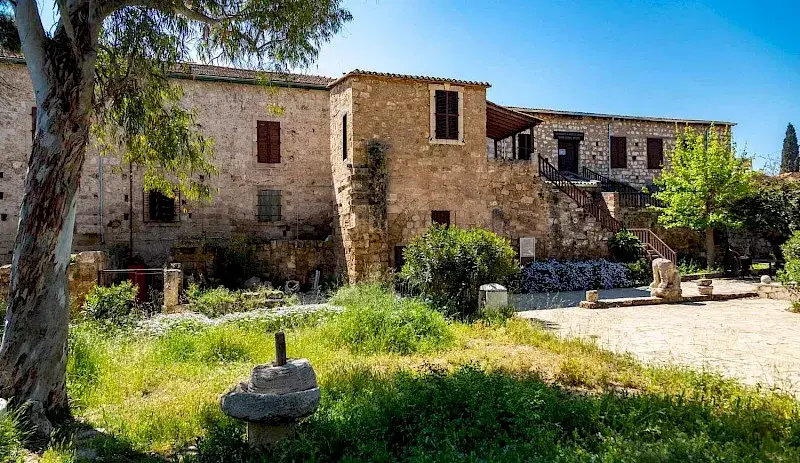
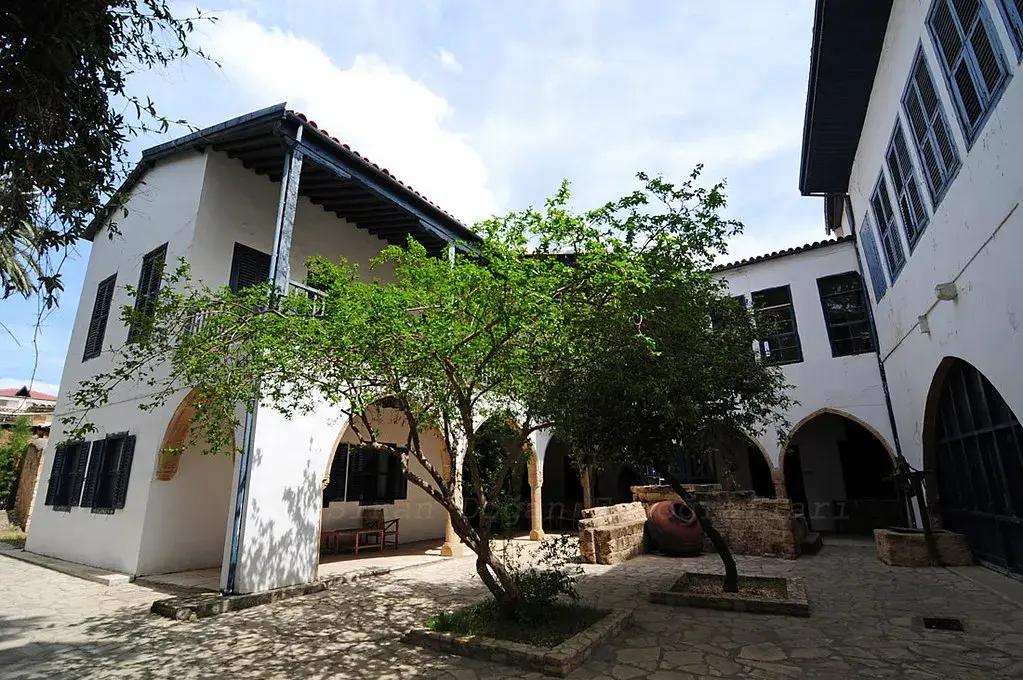
Derviş Paşa Mansion — Ethnography Museum, Nicosia If there's one building that catches your eye as you pass through Nicosia's historic city walls, it's most likely the **Derviş Paşa Mansion**. Built in the 19th century, this two-story mansion stands out as one of Cyprus's best-preserved examples of Ottoman-era civil architecture. An inscription above the door shows the Hijri year 1219, which corresponds to 1807 AD. The mansion is named after its owner, **Derviş Paşa**. So, who was Derviş Paşa? He wasn't just a mansion owner; he was also a pioneering figure in Cyprus's press history. It was Derviş Paşa himself who published 'Zaman Gazetesi' (Time Newspaper), the first Turkish newspaper on the island, on **December 25, 1891**. This detail adds a unique significance to the mansion, beyond its architectural heritage. ### Architecture of the Building The mansion's lower floor is built of stone, while the upper floor is constructed from adobe. In keeping with traditional Cypriot-Ottoman mansion design, the main living areas are located on the upper floor, with the lower floor reserved for storage and service rooms. Featuring two separate entrances, the building reflects both its functionality and the social hierarchy of its era. The mansion was hit by a bomb during the **1974 Peace Operation**; however, it was brought back to life in subsequent years through extensive restoration work. The structure was fully reinforced in **1986**, following an expropriation process that began in **1975** and lasted until **1978**. ### As an Ethnography Museum Today On **March 21, 1988**, after the completion of a three-phase renovation project, the mansion opened its doors to visitors as an **Ethnography Museum**. Today, it showcases traditional clothing, household items, handicrafts, and various ethnographic objects from Turkish Cypriot daily life. Transformed into an unexpected discovery spot for those walking within Nicosia's city walls, this venue offers a brief yet memorable visit. ## Where is Derviş Paşa Mansion? **Beliğ Paşa St, Nicosia 99010 TRNC (Turkish Republic of Northern Cyprus)**

Пока нет отзывов
Saray Önü Camii
Музей

Saray Önü Camii

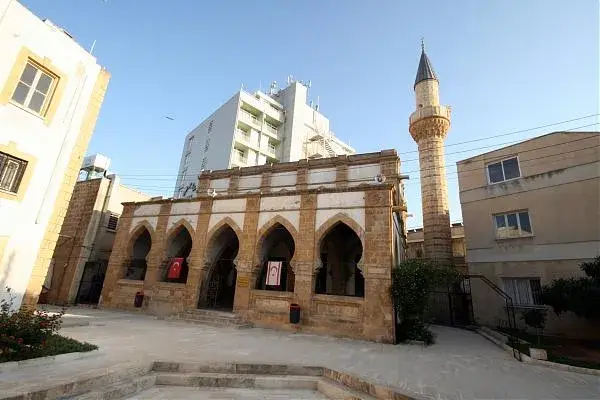
Sarayönü Mosque Nicosia / TRNC How often does a single building transform into three distinct identities? The Sarayönü Mosque, located right in the heart of Nicosia, provides a concrete answer. The structure, which attained its current appearance after a major earthquake, was designed by a British architect of the era, based on the characteristic lines of Arab-Andalusian architecture. With its arched windows, delicate column details, and decorations reminiscent of North Africa, the building distinctly stands out from Nicosia's other historical structures. When the building first opened, it served as a mosque. Subsequently, with the legalization of mandatory civil marriage in the TRNC, it was designated as Nicosia's marriage registry office. This function continued until 2005. This venue, where dozens of couples signed their official contracts, was reopened for worship after 2005 and continues to be used as an active mosque today. Where is Sarayönü Mosque? The mosque is located in Nicosia, the capital of the Turkish Republic of Northern Cyprus, within walking distance of the city center. This spot, near Atatürk Square, can be easily reached by public transport or on foot. The historical fabric and side streets surrounding it are also worth exploring; we recommend dedicating some time to discover the area around the mosque when you visit.

Пока нет отзывов
Selimiye Camisi
Музей

Selimiye Camisi

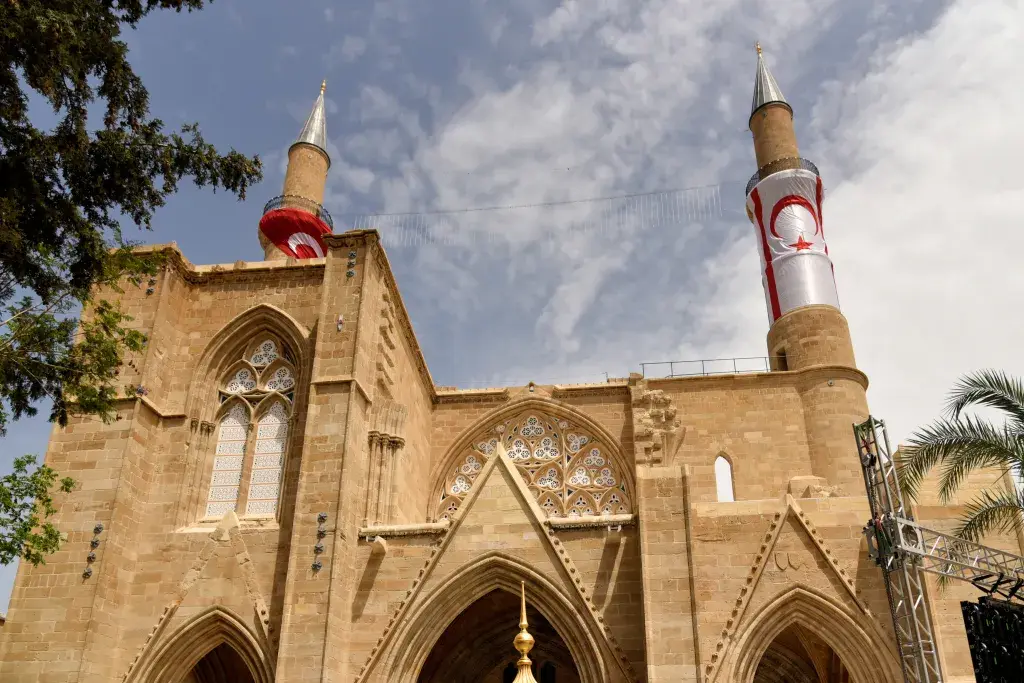
Selimiye Mosque (Hagia Sophia Cathedral) As you wander within the ancient city walls of Nicosia, this magnificent structure suddenly appears, ready to astound both you and the history of architecture with its Gothic arches and elegant minarets. Named after the Ottoman Sultan **Selim II**, the **Selimiye Mosque** is located right in the heart of Nicosia, the capital of Northern Cyprus. The Story of a Cathedral's Transformation into a Mosque The building's origins trace back to the Lusignans, who ruled Cyprus between **1209 and 1326**. This dynasty, needing a **Latin Cathedral** in Nicosia, built a splendid temple inspired by Paris's **Notre Dame Cathedral**. Over the centuries, the cathedral's stones were shaped by different hands; the Genoese plundered it in **1373**, and the Mamluks in **1426**. An earthquake in **1491** devastated the eastern section of the structure, and during repairs, the Venetians unearthed the tomb of a Lusignan king. The cathedral also made history as the place where the Lusignan kings of Cyprus were crowned; it is known that some members of the noble dynasty were laid to rest here. Following the Ottoman conquest of the island, the structure was converted into a mosque and served as Cyprus's **largest mosque** throughout the Ottoman period. Architectural Structure So, how does a structure bearing the traces of so much history look from the inside? The **Selimiye Mosque** features a floor plan consisting of 3 main aisles and 6 side sections. Gothic details from its cathedral past can still be discerned within this interior, blended with Ottoman intervention. The most striking difference, however, are the two minarets, each **49 meters** high, which were later added to the facade. These minarets stand like an Ottoman signature placed upon a Gothic silhouette. The coexistence of the architectural languages of two distinct civilizations within the same structure elevates Selimiye far beyond an ordinary religious site. It's rare to see such a tangible and palpable East-West synthesis anywhere else. Where is Selimiye Mosque? **Address:** Selimiye Sk, Nicosia 99010, Turkish Republic of Northern Cyprus

Пока нет отзывов