Saray Önü Camii fotoğraf 1

Saray Önü Camii

kibris · Müze

BewertungNoch keine Bewertung

Über die Location

Sarayönü Mosque

Nicosia / TRNC

Sarayönü Mosque, Nicosia, TRNC

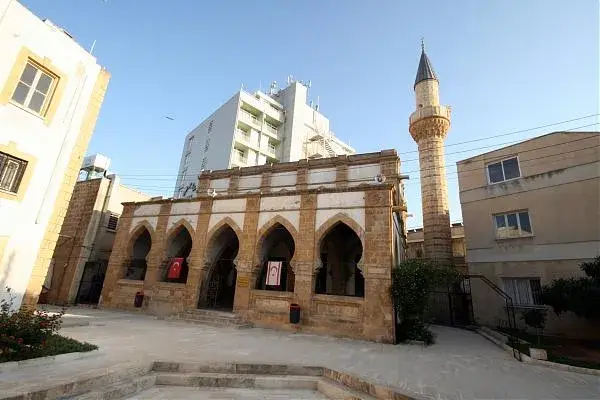
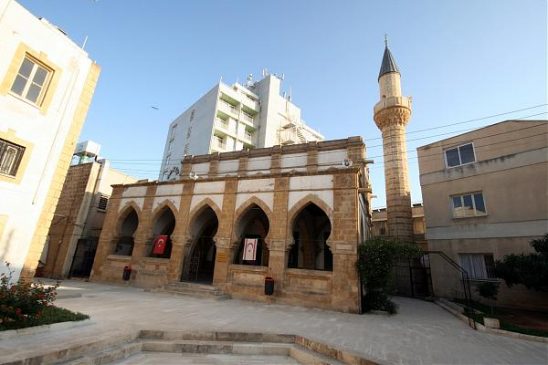
How often does a single building transform into three distinct identities? The Sarayönü Mosque, located right in the heart of Nicosia, provides a concrete answer. The structure, which attained its current appearance after a major earthquake, was designed by a British architect of the era, based on the characteristic lines of Arab-Andalusian architecture. With its arched windows, delicate column details, and decorations reminiscent of North Africa, the building distinctly stands out from Nicosia's other historical structures.

When the building first opened, it served as a mosque. Subsequently, with the legalization of mandatory civil marriage in the TRNC, it was designated as Nicosia's marriage registry office. This function continued until 2005. This venue, where dozens of couples signed their official contracts, was reopened for worship after 2005 and continues to be used as an active mosque today.

Where is Sarayönü Mosque?

The mosque is located in Nicosia, the capital of the Turkish Republic of Northern Cyprus, within walking distance of the city center. This spot, near Atatürk Square, can be easily reached by public transport or on foot. The historical fabric and side streets surrounding it are also worth exploring; we recommend dedicating some time to discover the area around the mosque when you visit.

Bewertungen

Benzer Müzeler

Antiphonitis Kilisesi
Müze

Antiphonitis Kilisesi

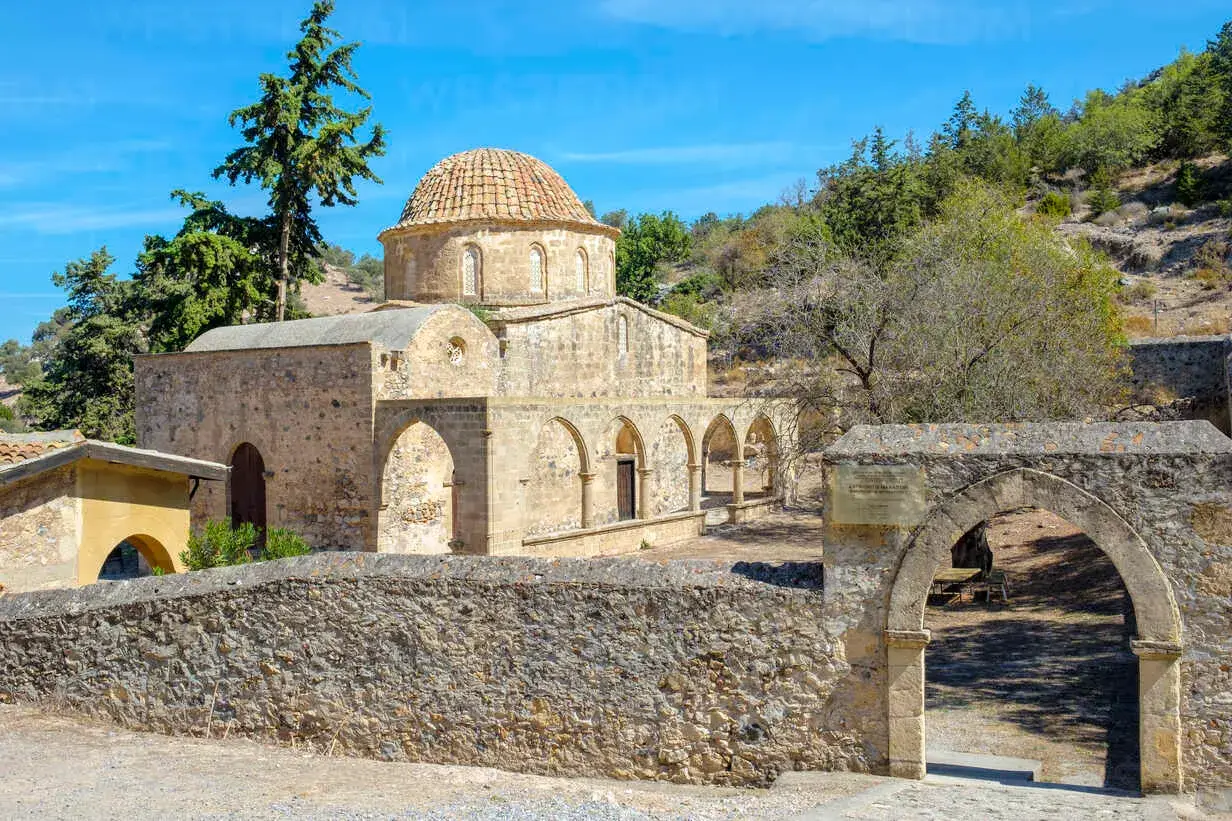
Antiphonitis Church Kyrenia / Northern Cyprus Named after the Greek word meaning "Christ Who Answers," the Antiphonitis Church is hidden within a steep valley 8 km east of Kyrenia, near the town of Esentepe. Even the road leading there is an experience in itself: narrow, winding, surrounded by pine and olive trees. Built in the late 12th century, this structure distinctly stands out from other Byzantine churches across the island. So, what makes it different? First and foremost, its architecture. The church was designed with a circular dome resting on eight columns, an arrangement quite unusual for the period. It is believed that local masters and artists were involved in its construction, a notion supported by the unique touches evident in the structure. The church was later expanded: in the 14th and 15th centuries , during the reign of the Lusignan dynasty, a barrel-vaulted narthex and portico were added to the structure. These additions represent one of the rare instances where the Byzantine essence met Western Christian architectural understanding. Very few structures bear the marks of different periods simultaneously; Antiphonitis is one of them. Wall Paintings and the Pantocrator Fresco Upon entering, the first thing to catch your eye will be the depictions of saints covering the walls. These scenes are believed to be inspired by biblical narratives; the facial expressions of the figures, color choices, and composition style bear the typical characteristics of Byzantine iconography. In the very center of the dome is the fresco of Christ Pantocrator ; this iconographic theme, meaning "Ruler of All," was placed in the dome in Byzantine churches so that the divine gaze would encompass the entire space. Unfortunately, some of these paintings have not survived intact to the present day. During Cyprus's political division after 1974, some frescoes were damaged, and a portion was torn from the walls by smugglers and sold on international markets. Although some of these pieces have been recovered after years of legal battles, the destruction they left behind is still visible. Where is Antiphonitis Church? The church is located in a valley, approximately 8 km south of the town of Esentepe, which is part of the Kyrenia district. Direction signs are available along the way; however, renting a car makes the visit much easier. Since public transport access is quite limited, it is recommended to go by private vehicle.
Noch keine Bewertungen
Girne Kalesi
Müze

Girne Kalesi

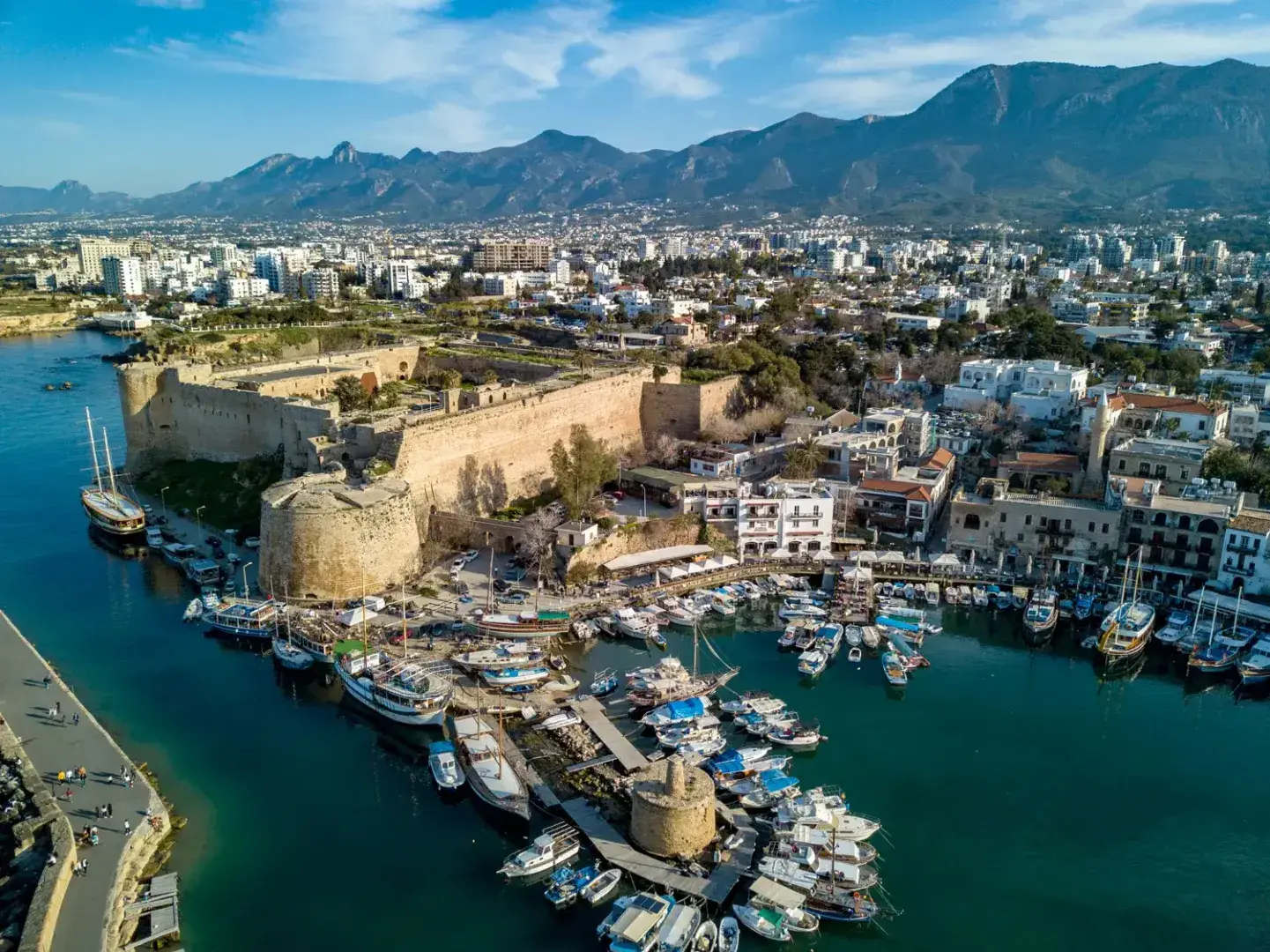
A Millennium of History in a Single Castle The **Byzantines**, who ruled Cyprus in the 7th century, built this castle to repel Arab raids from the Mediterranean. Today, this structure stands as **Kyrenia's most renowned symbol**, nestled right on the edge of the marina, intimately connected with the sea. The moment you step through its gates, the city's hustle and bustle instantly fade away. In the 1400s, the castle was encircled by a deep, water-filled moat. After the Genoese attacks in 1373, the castle changed hands multiple times; the structure we see today largely bears the hallmarks of the **Venetians**. From Venice to the Ottomans: A Fort's Shifting Fortunes The **Venetians**, who seized the castle in 1489, added new towers to the structure, hoping to withstand the cannon fire of the Ottoman navy from the sea. But did all these preparations work? No. Immediately after **Nicosia** surrendered to Ottoman forces in 1570, Kyrenia Castle also raised the white flag without a single shot being fired. This surrender demonstrates that the castle's fate was shaped not by defeat, but by a change in destiny. The walls remained, but the people living within them changed. Exploring Inside the Castle **Kyrenia Castle** isn't a perfect square, but it boasts a near-square plan with a tower at each of its four corners. Historical artifacts unearthed during excavations in and around Kyrenia are showcased in the castle's museum sections. As you stroll through the stone corridors, you might feel as though you're wandering through an encyclopedia, with each section narrating the story of a distinct historical period. One of the castle's most captivating corners is the **Byzantine Church**, dating back to the **1100s**. Additionally, various historical events are reenacted in the castle courtyard, transforming the site from a mere museum into a vibrant open-air stage. Where is Kyrenia Castle Located?

Noch keine Bewertungen
Bellapais Manastırı
Hervorgehoben
Müze

Bellapais Manastırı

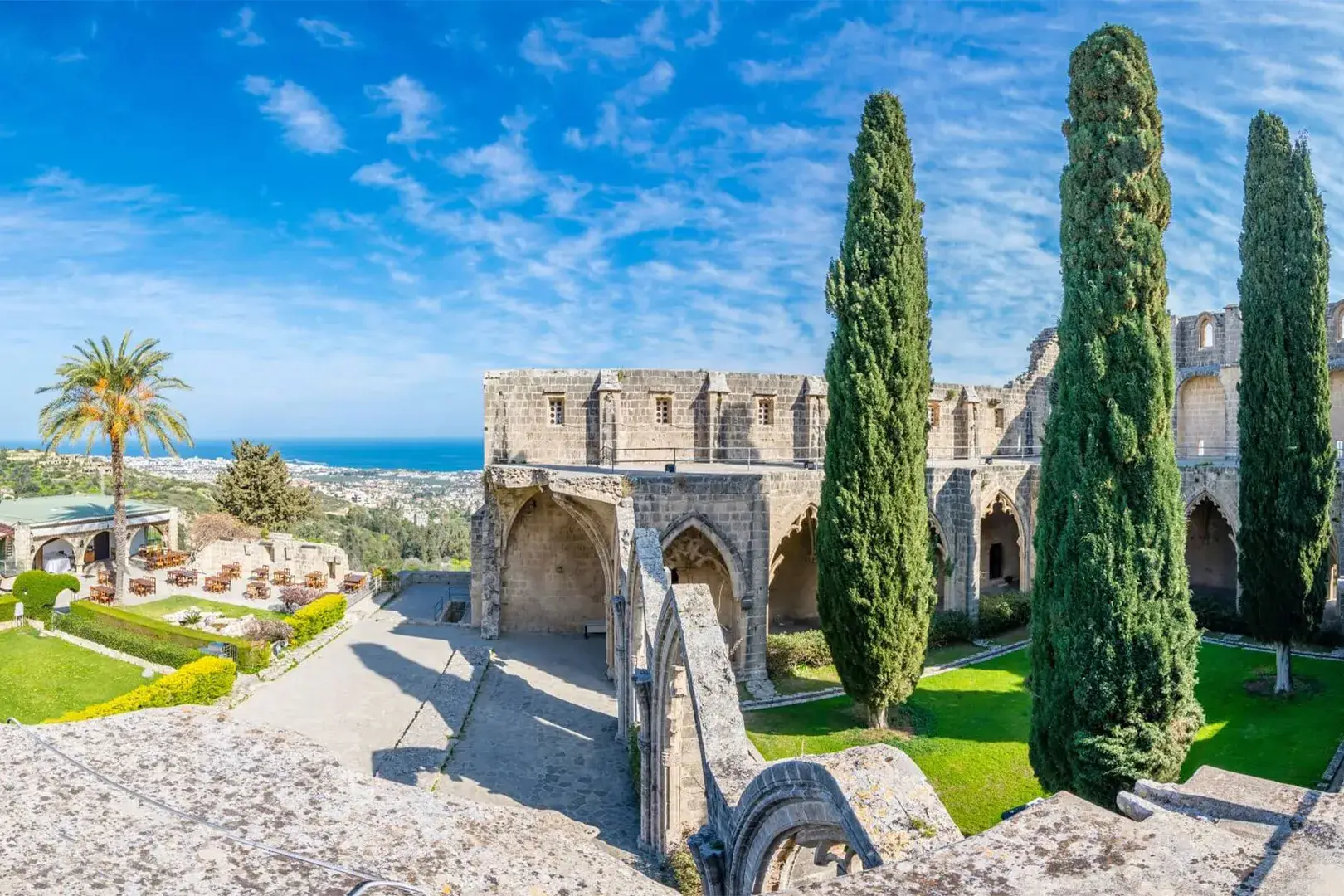
## Bellapais Abbey Beylerbeyi / Kyrenia - TRNC **Bellapais Abbey**, quietly nestled at the foot of the Five Finger Mountains, was constructed between 1158 and 1205. Today, this remarkable structure hosts various music festivals and classical music concerts, making it one of Northern Cyprus's most striking historical sites. Everyone who steps into the Abbey is swept back through past centuries, losing track of time. ## Layers of History: Gothic Architecture in the Near East One of the finest examples of Gothic architectural style in the Near East, **Bellapais Abbey**'s first inhabitants were Augustinian monks who migrated from Jerusalem. Between 1267 and 1284, King Hugh III of France added new sections to the structure, giving the Abbey its present-day appearance. The central courtyard and its surrounding cloisters were built by Hugh IV between 1324 and 1359. Following the Ottoman conquest of the island, the Abbey was transferred to the Cypriot Orthodox Church, and for many years, only the church section remained functional. ## Stepping Inside: What You'll Discover Your first step into **Bellapais Abbey** brings you to a gate and a spacious courtyard. The church in the corner of the courtyard has stood since the 13th century; despite bearing the weight of centuries, the structure remains remarkably robust. The frescoes on the Abbey's facade date back to the 15th century. Additionally, a large, rectangular refectory is located within the structure; this area is considered one of the most accomplished examples of **Gothic art**. The pulpit where the monk delivered sermons during meals still stands in place. Passing through the west gate of the courtyard, you can reach the kitchen, cellar, and lavatories on the lower floor. To the east of the central courtyard is the monks' common room and study. The column in the center of this room is believed to belong to a Byzantine church. On the upper floors of the Abbey, there are dormitories and areas for storing valuables. ## A Kyrenia View: Bellapais by Night **Bellapais Abbey** can be seen with the naked eye from many points in Kyrenia. As dusk falls, if you look towards the **Five Finger Mountains**, you'll immediately spot the Abbey sparkling brightly with its special illumination. This view forms one of the city's most recognizable silhouettes. Having come all the way to Cyprus, can one really afford to miss this magnificent structure? Appealing to a wide audience, from Gothic architecture enthusiasts and history buffs to classical music lovers and photography aficionados, Bellapais truly deserves a top spot on your itinerary. ### Where is Bellapais Abbey?

Noch keine Bewertungen