

Girne Kalesi
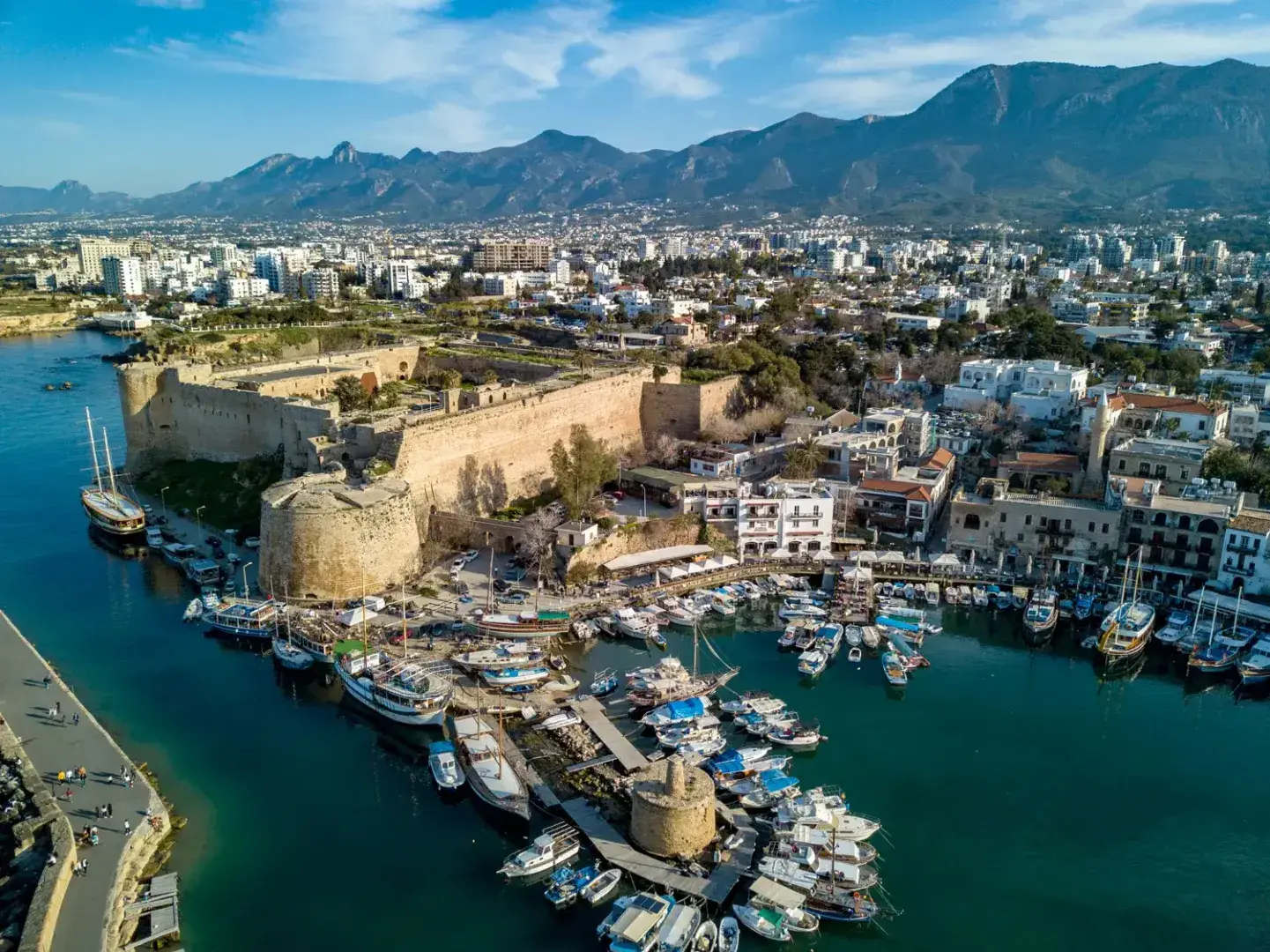
A Millennium of History in a Single Castle The **Byzantines**, who ruled Cyprus in the 7th century, built this castle to repel Arab raids from the Mediterranean. Today, this structure stands as **Kyrenia's most renowned symbol**, nestled right on the edge of the marina, intimately connected with the sea. The moment you step through its gates, the city's hustle and bustle instantly fade away. In the 1400s, the castle was encircled by a deep, water-filled moat. After the Genoese attacks in 1373, the castle changed hands multiple times; the structure we see today largely bears the hallmarks of the **Venetians**. From Venice to the Ottomans: A Fort's Shifting Fortunes The **Venetians**, who seized the castle in 1489, added new towers to the structure, hoping to withstand the cannon fire of the Ottoman navy from the sea. But did all these preparations work? No. Immediately after **Nicosia** surrendered to Ottoman forces in 1570, Kyrenia Castle also raised the white flag without a single shot being fired. This surrender demonstrates that the castle's fate was shaped not by defeat, but by a change in destiny. The walls remained, but the people living within them changed. Exploring Inside the Castle **Kyrenia Castle** isn't a perfect square, but it boasts a near-square plan with a tower at each of its four corners. Historical artifacts unearthed during excavations in and around Kyrenia are showcased in the castle's museum sections. As you stroll through the stone corridors, you might feel as though you're wandering through an encyclopedia, with each section narrating the story of a distinct historical period. One of the castle's most captivating corners is the **Byzantine Church**, dating back to the **1100s**. Additionally, various historical events are reenacted in the castle courtyard, transforming the site from a mere museum into a vibrant open-air stage. Where is Kyrenia Castle Located?